
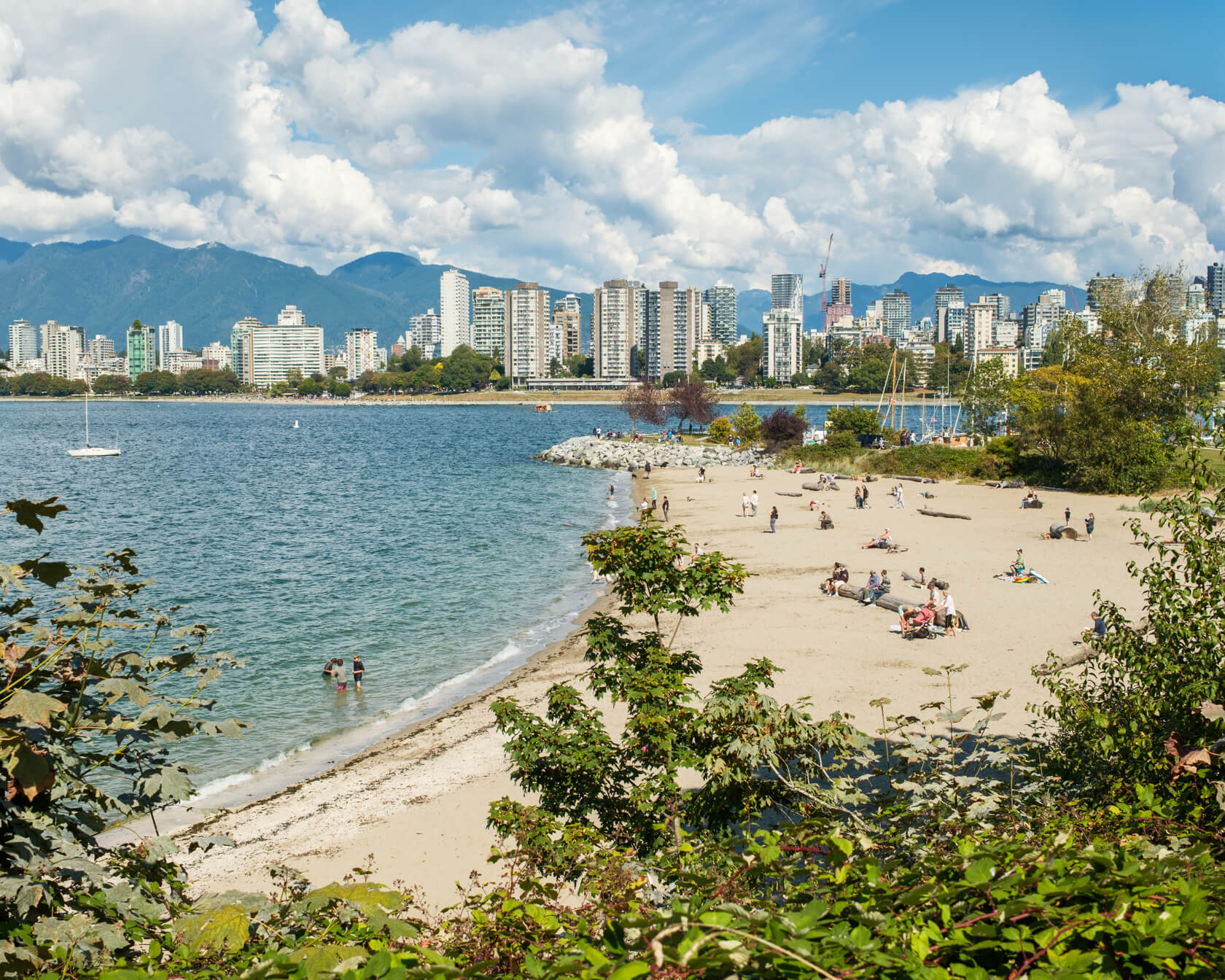
We might be biased because we’re lucky to call Vancouver home, but it’s our absolute favourite city in the world. How could it not be?
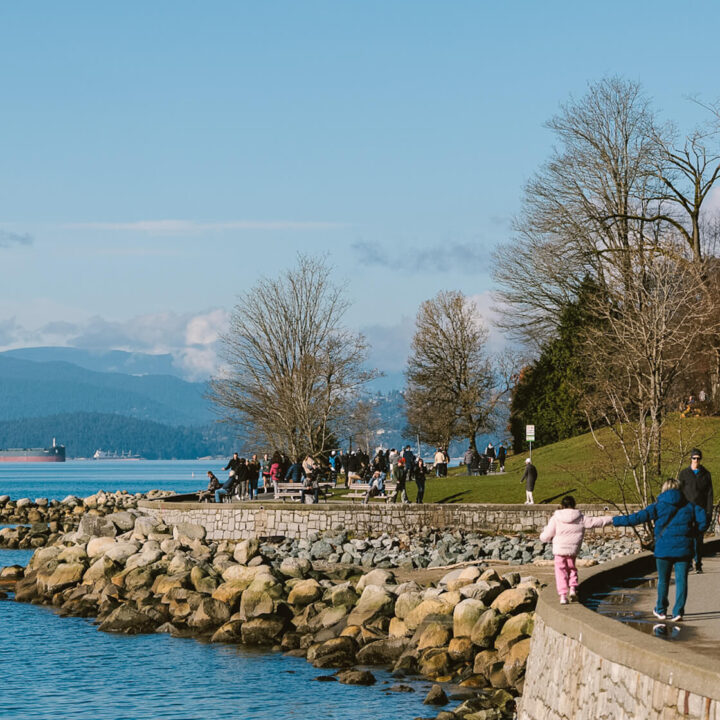
Vancouver is surrounded by mountains, forests and water. It has a beautiful waterfront path called the Seawall, that wraps around the entire downtown. Stanley Park, one of the largest city parks in the world, is full of trails and old-growth trees. There are beaches right downtown and beautiful sunsets. If you’re someone who likes to be active on vacation and loves being outside, then you’ll love spending time in Vancouver.
Besides the natural sights, Vancouver has a thriving food scene, art galleries and amazing summer events, most of which are free.
So, no matter what you like, there’s undoubtedly something here for you.
How Many Days Do You Need for Vancouver?
Generally speaking, we recommend spending at least three full days in Vancouver. With only 1-2 days, you’ll get a sense of what the city has to offer, but you’ll miss out on exploring areas outside downtown.
Just 1 Day?
If you only have a day, stick to downtown. Read our Vancouver 1 Day itinerary for more advice.
3 Days – The Sweet Spot
Three days is the sweet spot for a first visit. In your first two days, you’ll see the best of downtown Vancouver and explore Stanley Park and the Seawall without rushing. Day three gives you time to get outside downtown to one of the places like the mountains, Deep Cove, North Vancouver, or the scenic Sea to Sky Gondola.
5 Days – Go Deeper
With five days, you can do all of the above, plus really dig into what’s outside downtown. Extra time means even more opportunities for outdoor adventures, unique neighbourhoods, day trips and hidden gems.
7 Days+ – Take It Slow
With a full week, you can really take things slow, soak up sunsets at the beach, explore nature and fit in even more day trips – maybe even a visit to Whistler. You’ll have time to experience the city like a local.
Vancouver Travel Guides
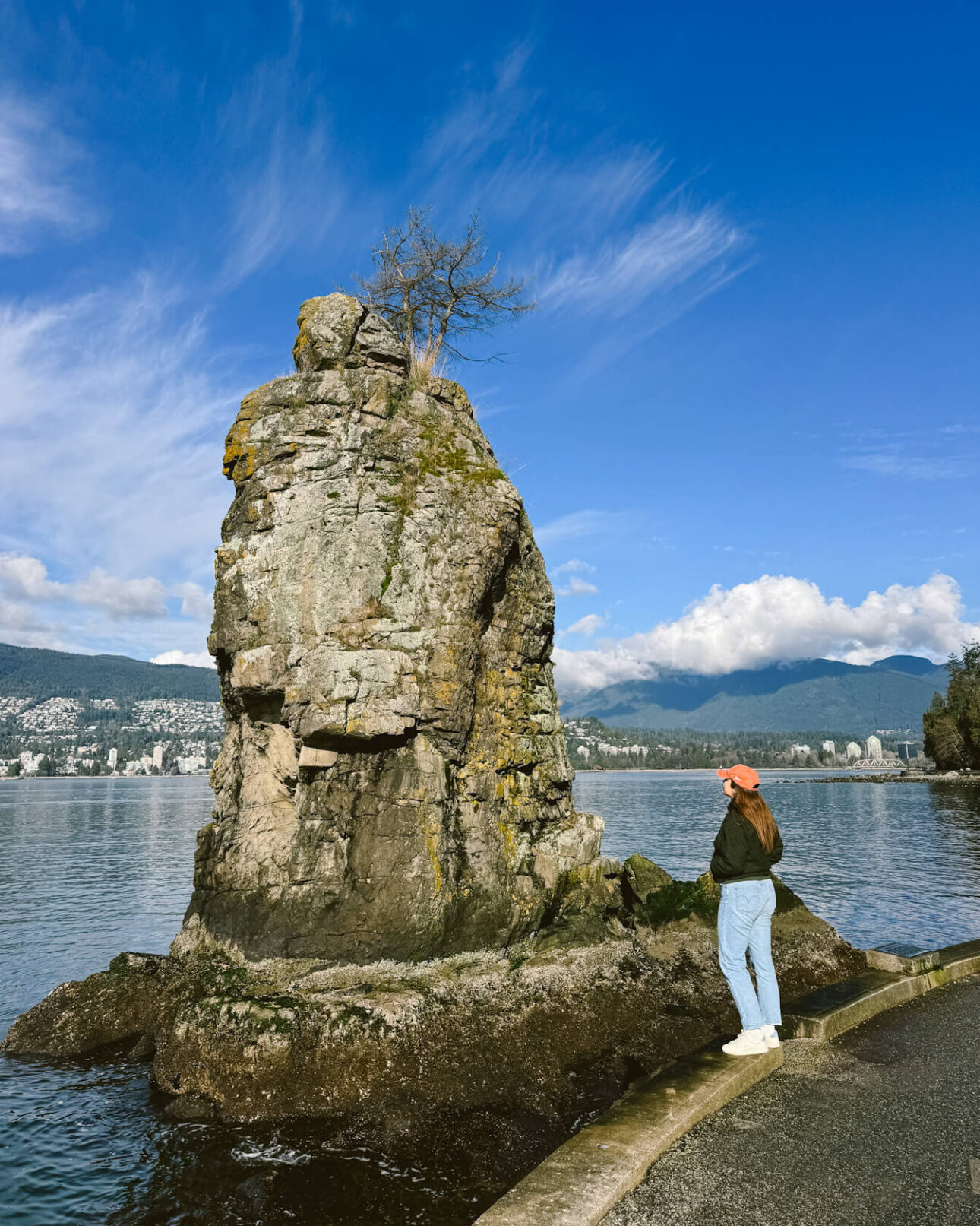
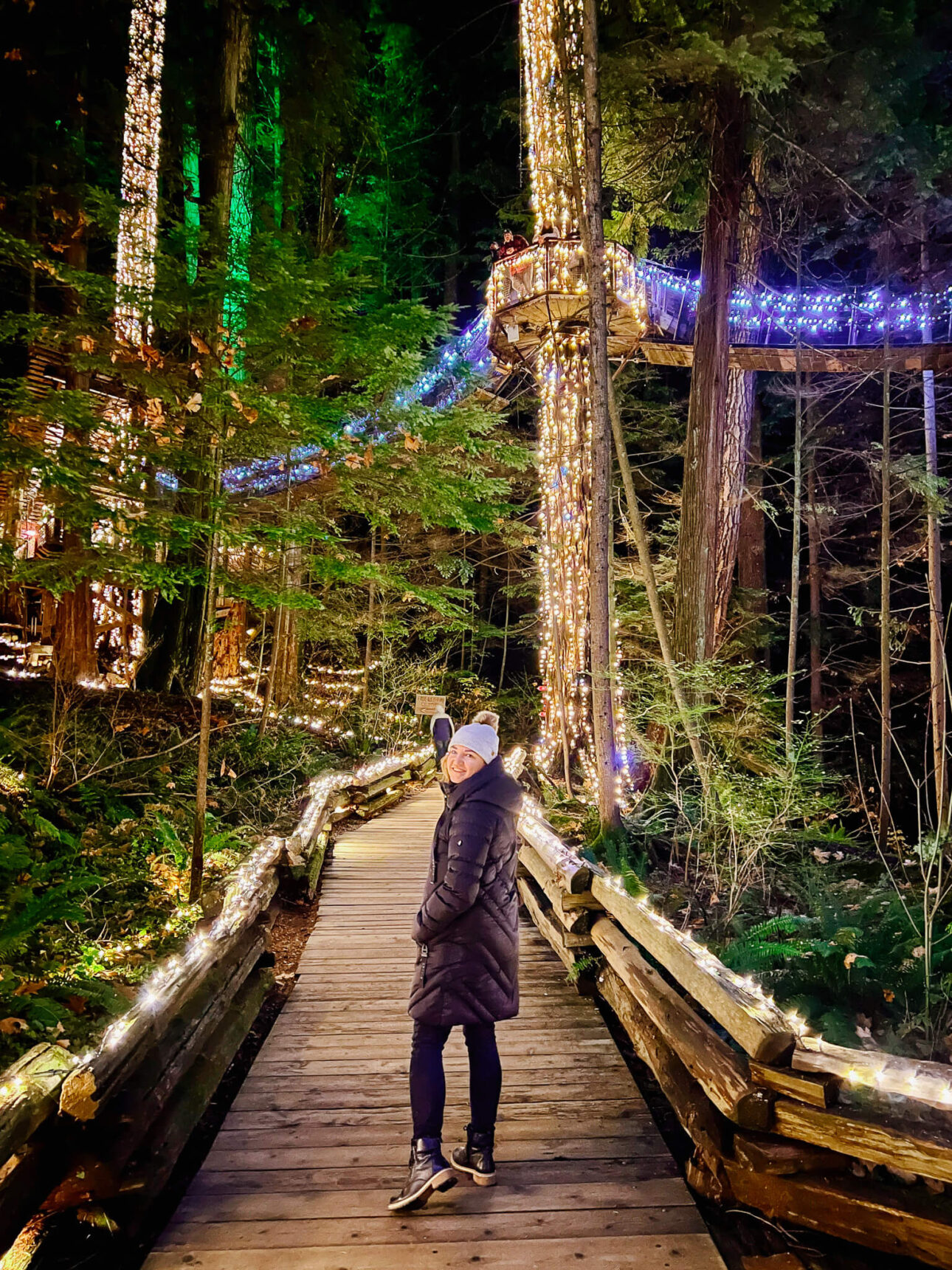
Things To Do in Vancouver
Unique experiences and personal recommendations:
- Explore Stanley Park Seawall by bike
- See Vancouver’s cherry blossoms in spring
- Explore False Creek by water taxi
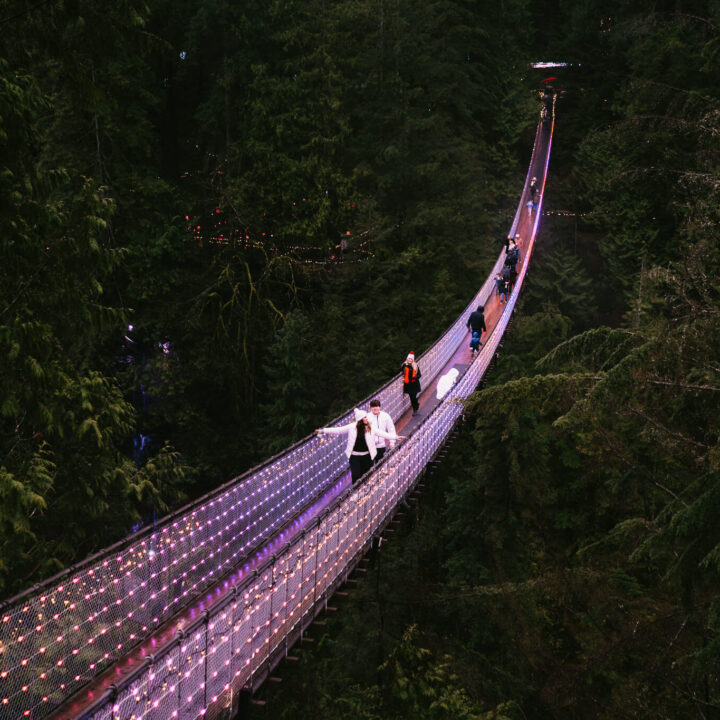
- Visit Lynn Canyon Suspension Bridge
- Spend time in Deep Cove (kayaking, hiking or simply chilling)
- Ride the Seabus to Lonsdale Quay
- Fly on a seaplane (or watch seaplanes take off over the harbour at Canada Place)
- Enjoy the beautiful drive up the Sea to Sky – read our best Stops along the Sea to Sky guide for advice
- Go sea kayaking at Jericho Beach
- Snowshoe on Cypress Mountain in winter
- See giant old-growth trees between the Rose Garden to Beaver Lake (Stanley Park)
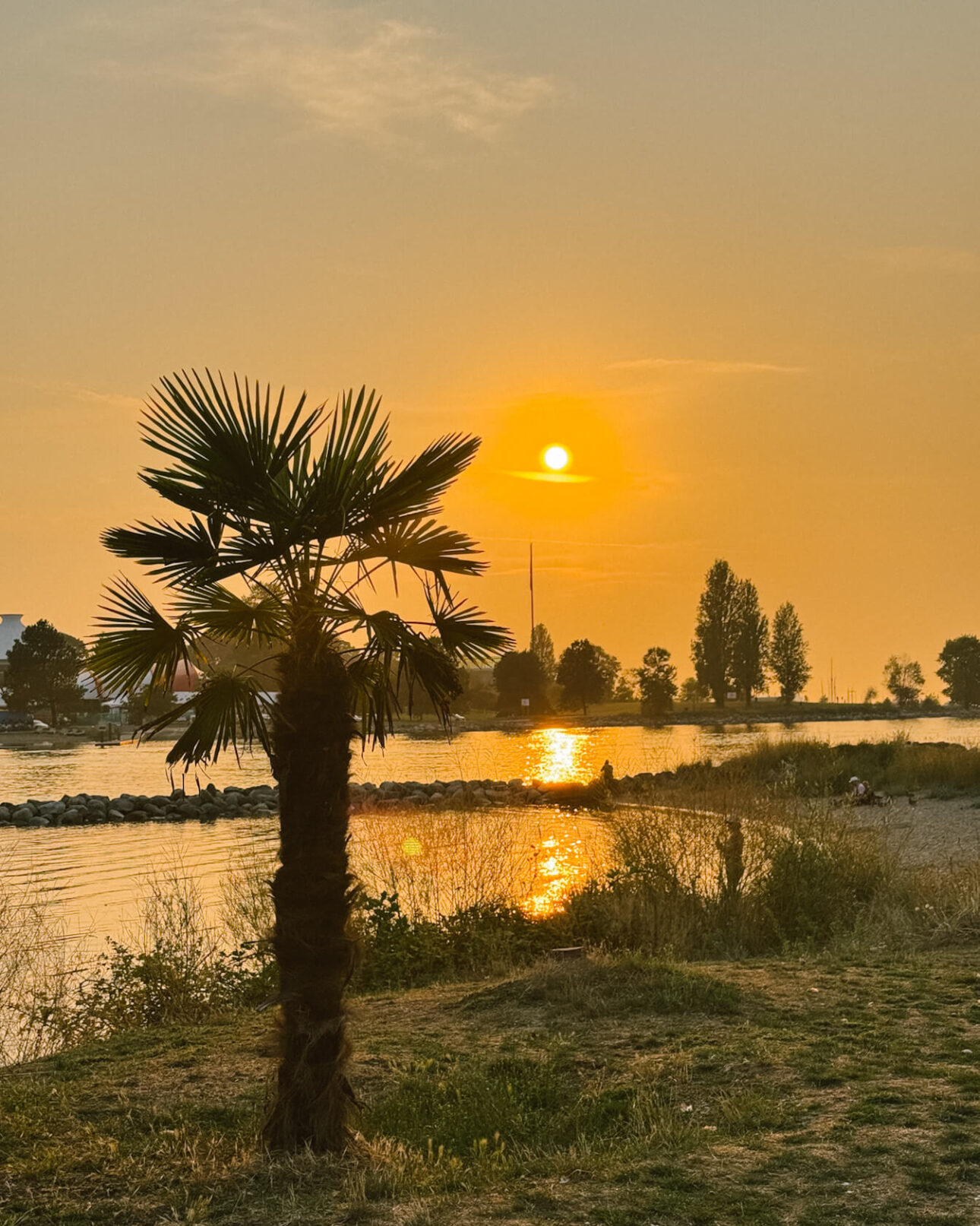
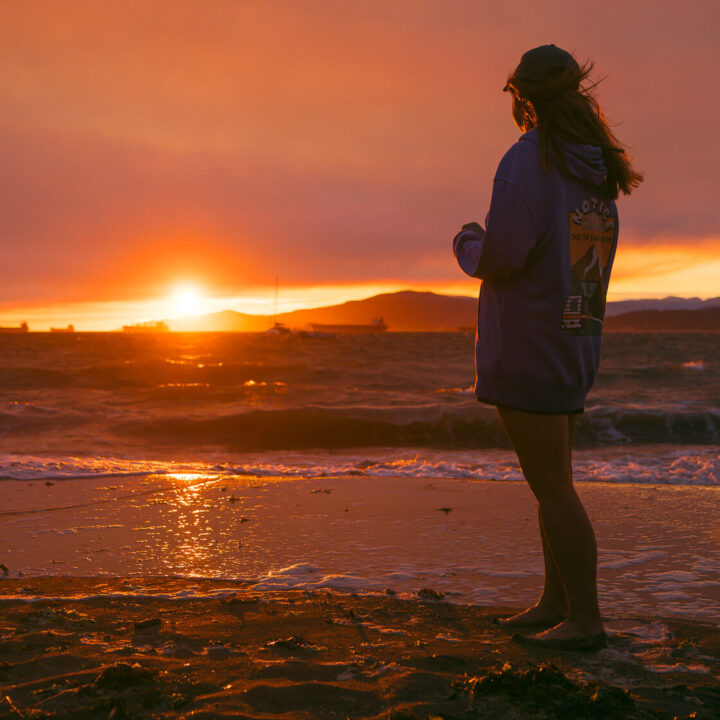
- Enjoy a sunset picnic on the beach
- Spend time in Kitsilano (beach and shopping)
- Visit Whytecliff Park
- Hike 2,830 steps to the top of Grouse Mountain to see a grizzly (you need to be in shape for this one)
- Do one hike in the North Shore Mountains (this recommendation is only for experienced hikers)
- See our Best Things to Do in Vancouver guide for more recommendations
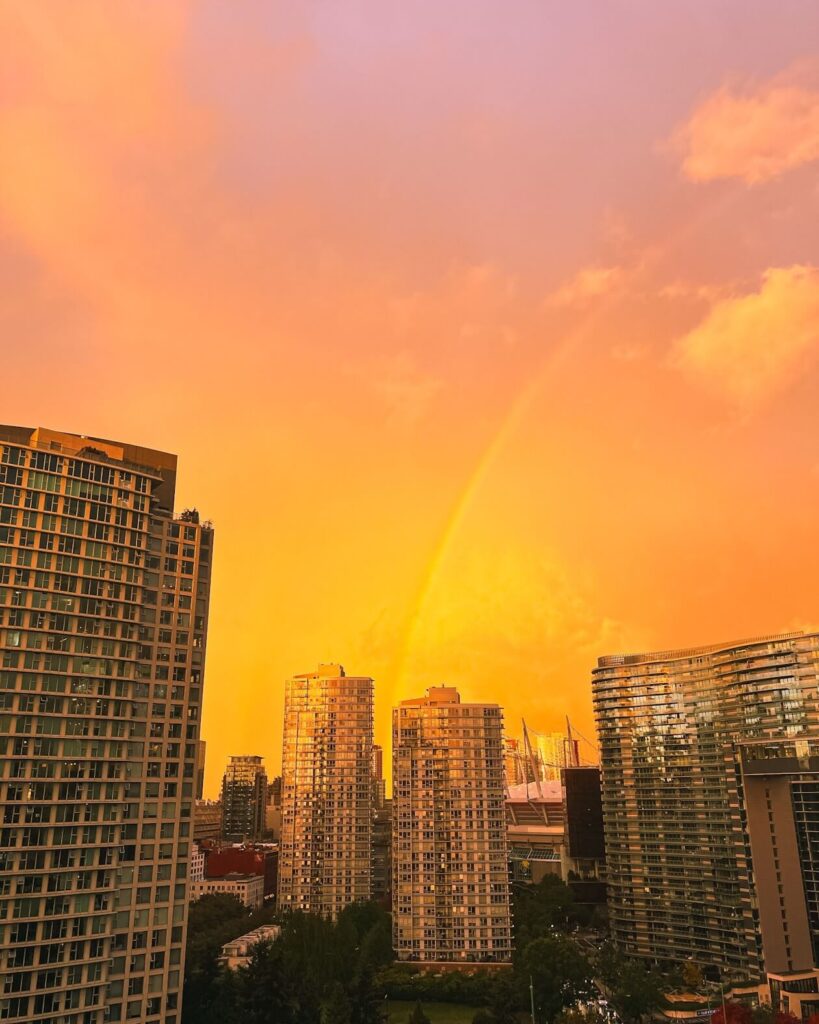
Sunset in Yaletown 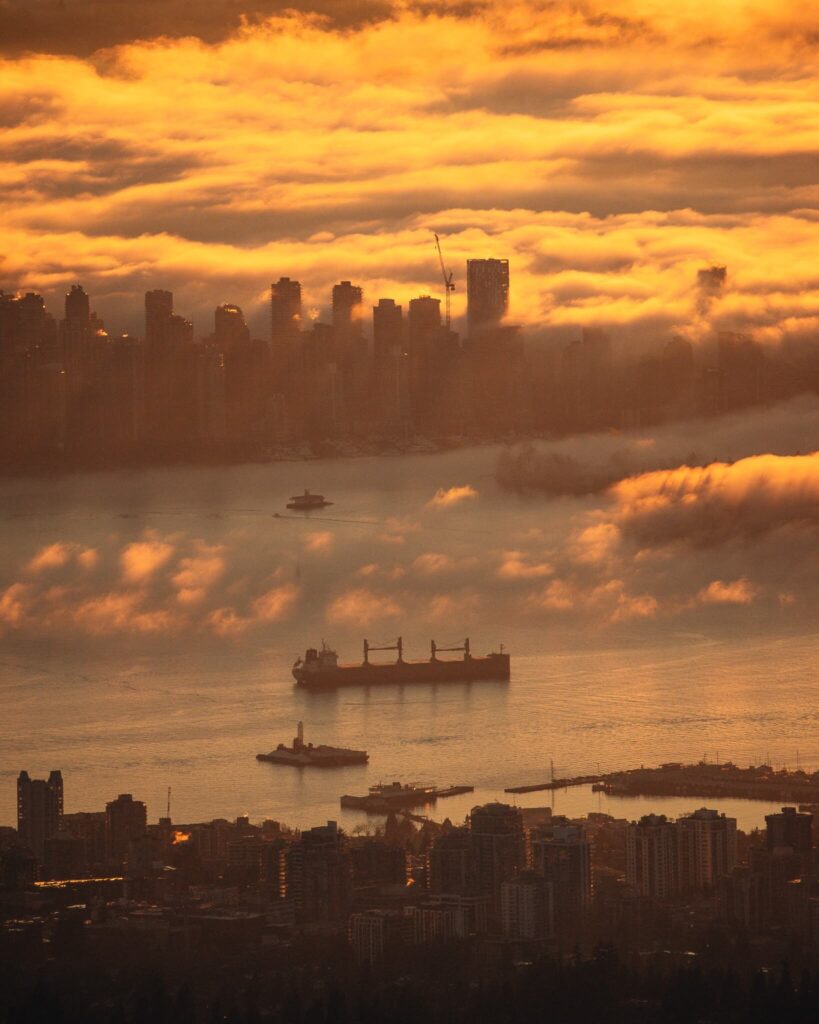
Sunset view from Cypress Mountain Lookout
Most popular tourist spots and attractions in Vancouver:
- Stanley Park
- Brockton Point Totem Poles
- Canada Place
- Capilano Suspension Bridge – read our Capilano Bridge guide for more advice
- Grouse Mountain
- Granville Island Public Market
- Gastown’s Steam Clock
- English Bay, Inukshuk monument and the A-maze-ing Laughter Sculpture
- Cypress Mountain Lookout
- Museum of Anthropology
- Vancouver Aquarium
- VanDusen Garden
- FlyOver Vancouver
- Day trip: Squamish and Sea to Sky Gondola
Vancouver’s obscure gems:
- Jack Chow Giant Panda Habitat in Chinatown
- La Casa Gelato (over 500 flavours of ice cream)
- Wreck Beach (nudist beach)
Best neighbourhoods to stay in Vancouver
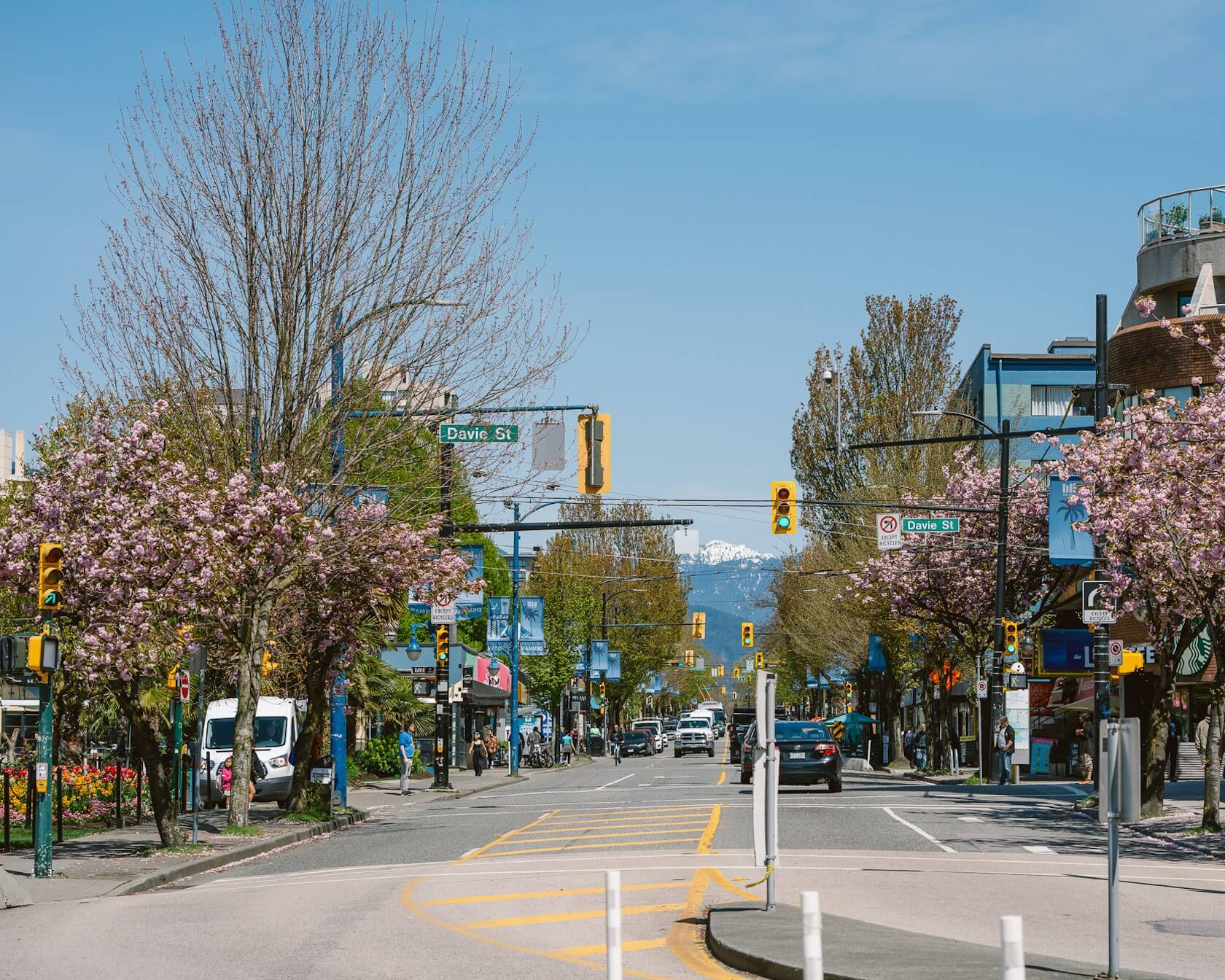
It’s a great idea to stay downtown, especially if it’s your first time in the city. Not only will you be within walking distance of everything, but it’s also easy to get to other parts of Vancouver and even take day trips!
If we had to choose just one neighbourhood to stay in to make your Vancouver trip count, it would be the West End. It’s a pretty neighbourhood with lots of greenery. The main streets: Davie, Robson and Denman are lined with places to eat. It’s friendly and inclusive (especially Davie). The biggest plus is that it’s close to English Bay and the entrance to Stanley Park. The main downside is there’s no Skytrain (subway), though there are buses.
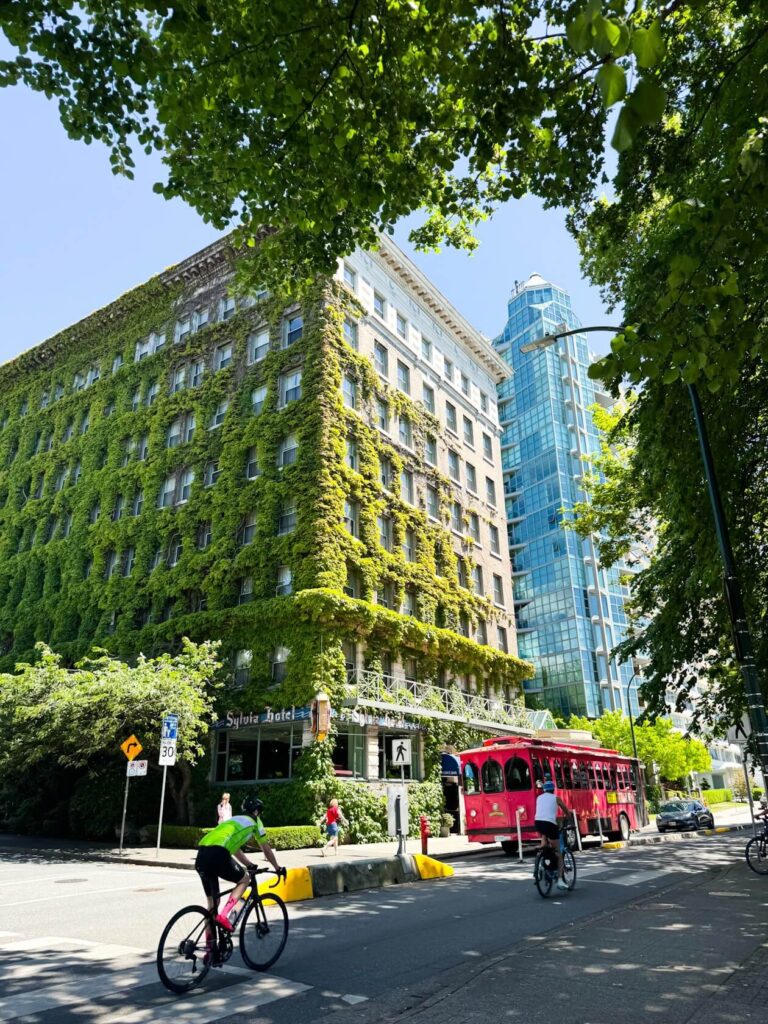
Sylvia Hotel in Vancouver’s West End 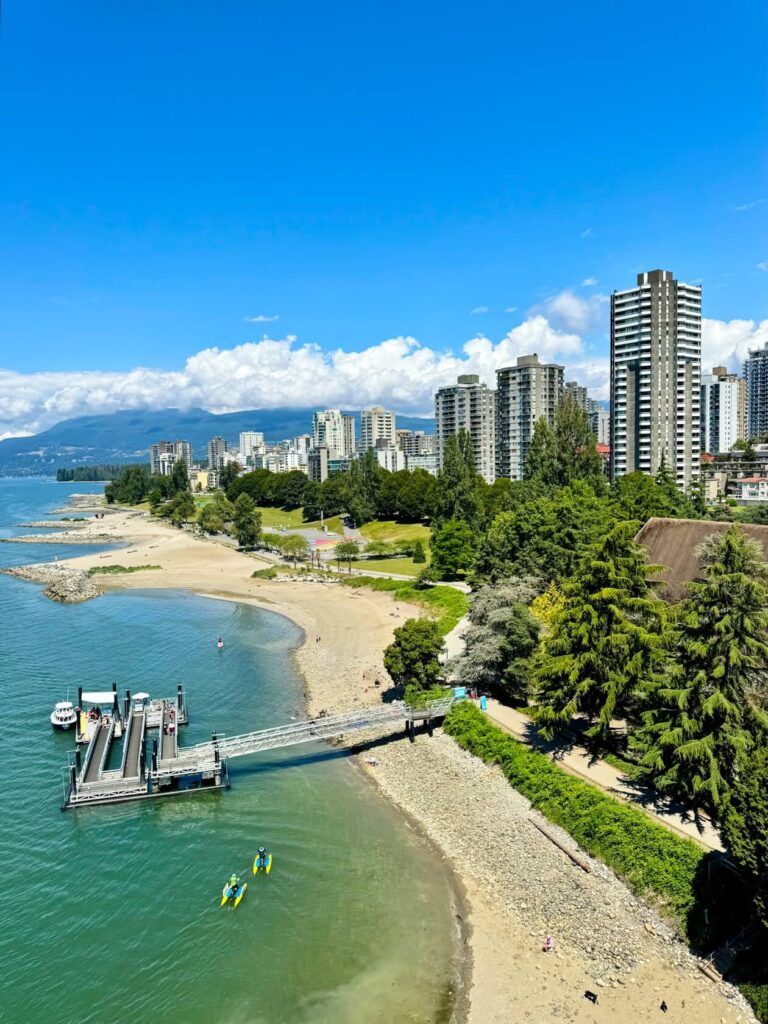
The view from Burrard Bridge towards Sunset Beach on a summer day
If you can’t get a place in the West End, then choose something in:
- Downtown core – this is the most frantic part of the city but it’s very convenient as it’s close to transit: buses, ferries, and even day trips! Choose somewhere close to Canada Place if you want to be by the Seawall, or somewhere on Robson or Burrard
- Yaletown – choose somewhere close to the Seawall and the marina
- Coal Harbour – choose somewhere close to Stanley Park or Seawall
- Kitsilano – if you don’t mind staying on the outskirts of downtown, Kitsilano is a good option. It’s a beachy neighbourhood with lots of places to eat and shop. The downside is that you’ll have to rely on a car, bus or water taxi to reach the city center.
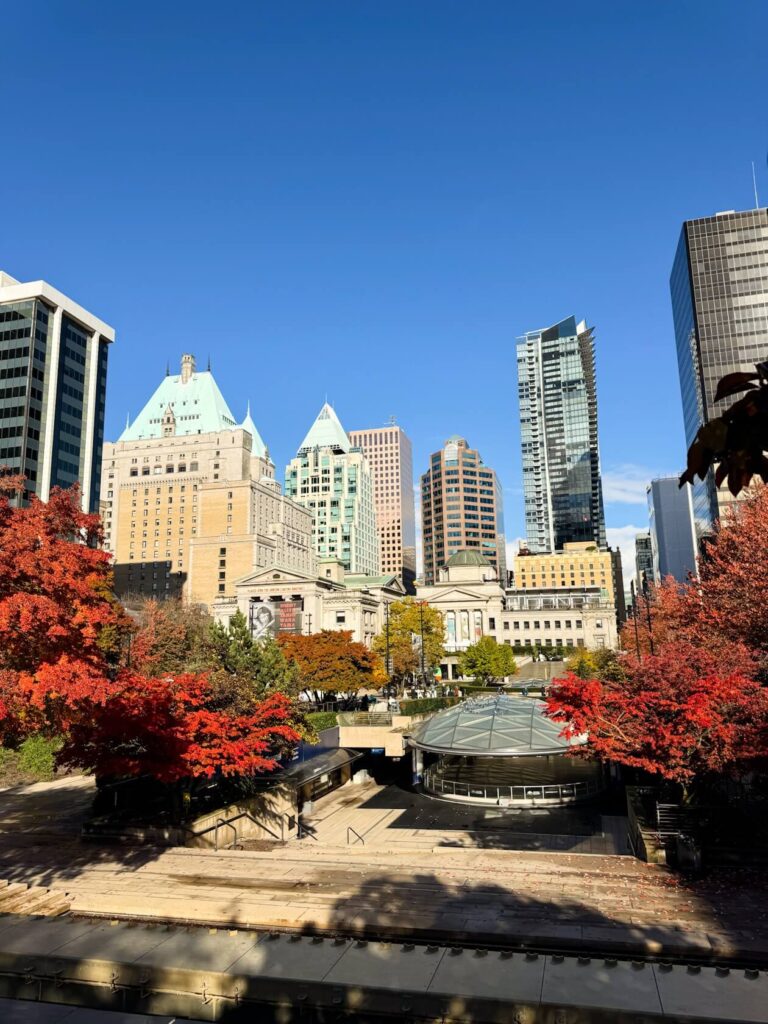
Fall colours at Robson Square in central Vancouver 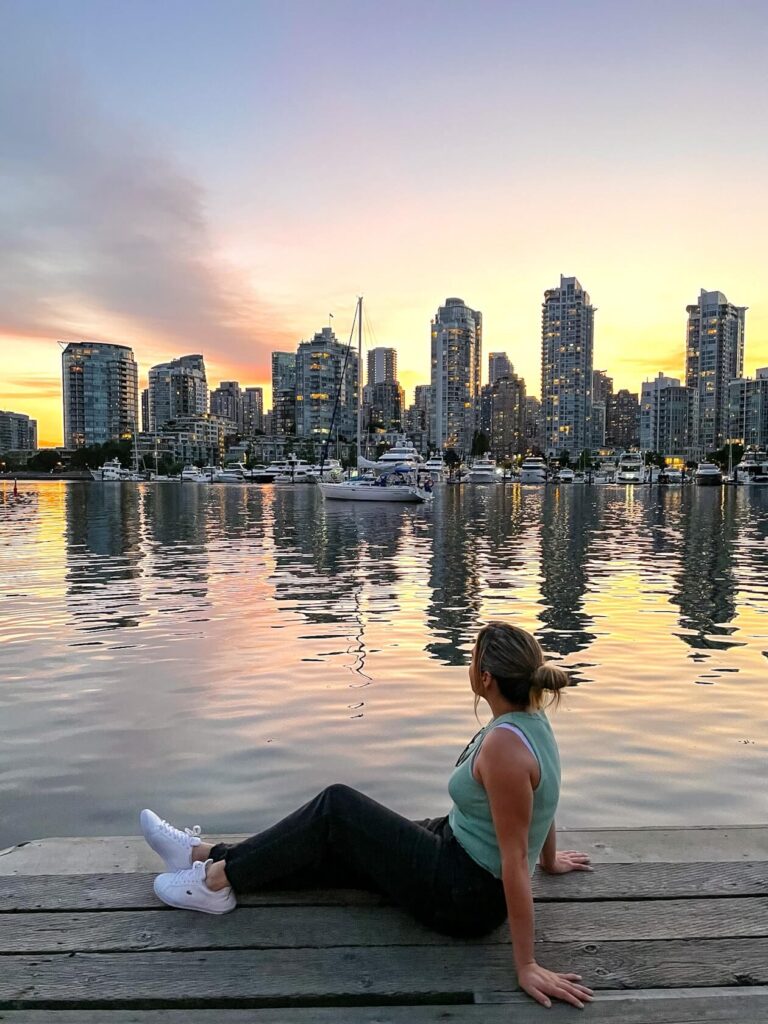
The view from Spyglass Place towards Yaletown
Things About Vancouver That Might Surprise You
If this is your first time in Vancouver, here’s what will stand out:
🏙️ Downtown Vancouver is smaller and more walkable than you might expect. We thought it’d be similar to New York or London, but it’s nothing like it.
🌏 The Asian influence here is huge. Nearly half the population has Asian heritage, giving Vancouver an incredible diversity you’ll notice everywhere, from restaurants to arts.
🏔️ You won’t find much historic architecture in the city. The oldest building is from 1865. Unlike European cities, Vancouver’s history is written in its mountains and ancient forests, not in old buildings.
Places to eat in Vancouver: Food & Dining recommendations
Vancouver has a diverse immigrant population and that’s reflected in our city’s food. We’ve got cuisines from around the world, packed into distinct neighbourhoods, with Asian influence being the strongest. Use this list as a jumping off point:
- West Robson Street (“Ramen Row”) – ramen, Korean BBQ, Japanese izakayas.
- Denman Street and West End – gelato shops, Middle Eastern fast food, Asian food, beach bars.
- Gastown – cocktail bars and upscale dining.
- Yaletown – wine bars, seafood restaurants, upscale dining, pubs.
- Granville Island – fish & chips, fresh food stalls and small eateries.
- Kitsilano – neighbourhood coffee shops and brunch restaurants.
- Commercial Drive – neighbourhood international restaurants, Italian food, Ethiopian food, soul food.
- Main Street – Vietnamese food, independent coffee shops and strong vegan and vegetarian options.
- Powell Street (between Clark and Victoria) – independent breweries.
- Alexandra Road in Richmond – hot pot, dim sum, Taiwanese, and Cantonese seafood. Technically this is not Vancouver, but there’s no other place in Canada with such a great concentration of regional Chinese food! It’s easy to get there by Skytrain too (Canada Line to Aberdeen or Lansdowne Station).
Alternatively, head out on a food tour to try food at several of Vancouver’s best restaurants in one outing.
Canadian food:
Canada doesn’t really have a well-defined cuisine. But there are definitely a few things that are uniquely Canadian that you can try in Vancouver:
- Order a Caesar, the Canadian twist on a Bloody Mary with clam juice, at the Score on Davie.
- Have some Poutine at La Belle Patate. This dish comes from Quebec and is made of fries topped with gravy and cheese curds.
- Treat yourself to a Nanaimo bar at Granville Island Public Market. This is one of Canada’s most popular desserts with layers of coconut and chocolate.
- Try Bannock and other First Nations-inspired foods at Salmon’n’Bannock, the only Indigenous-owned restaurant in Vancouver.
- Devour a Beaver Tail – a smashed, deep-fried Canadian doughnut that has nothing to do with beavers
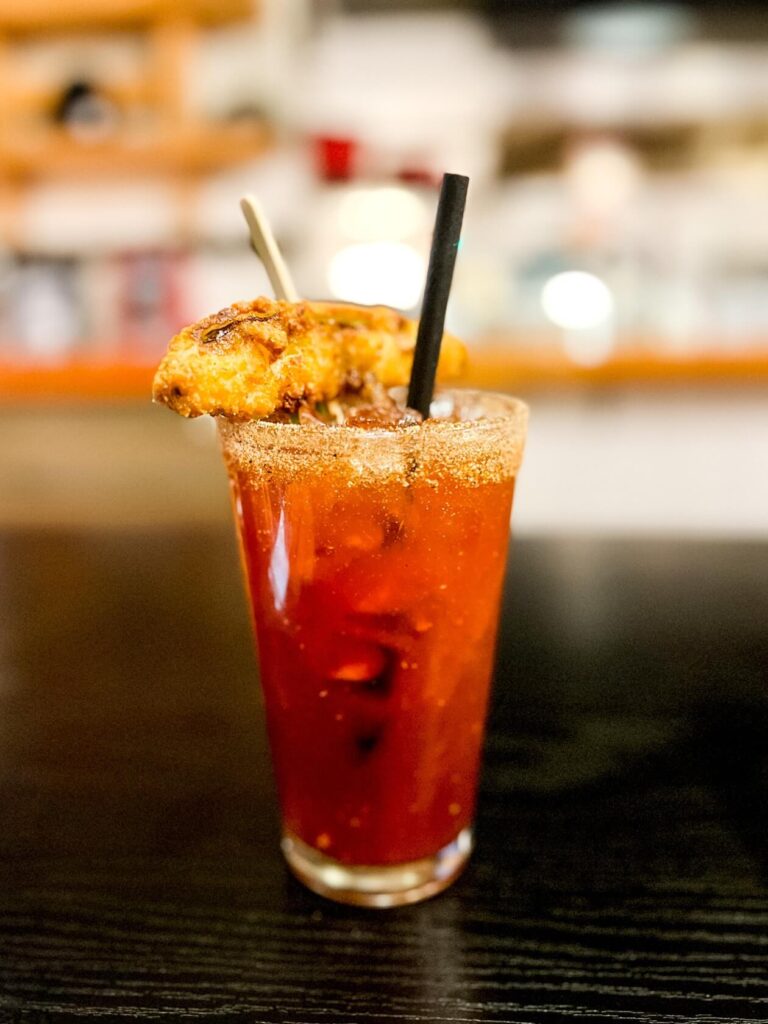
Canadian Caesar with fried pickle as garnish 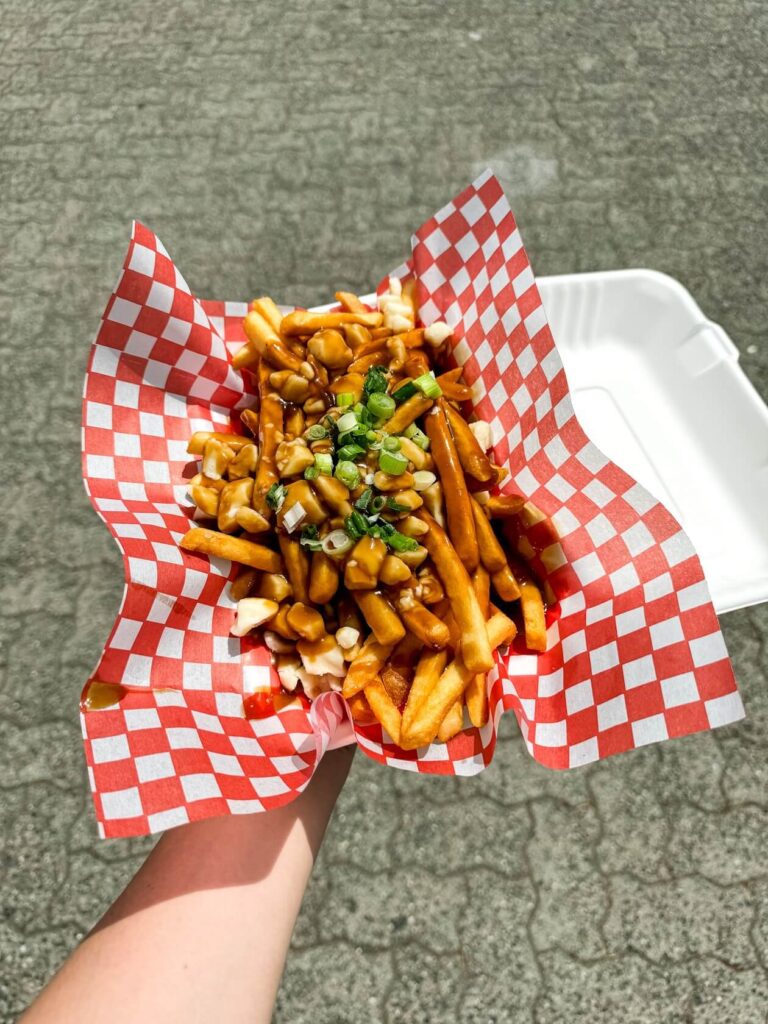
Canadian poutine with green onion
Our Personal Picks as Vegetarians:
- vegan ramen at Ramen Danbo (we love Negi-goma and Shio options)
- sandwiches and pastas at DiBeppe
- vegan tendon at Tendon Kohaku (with a side of miso soup and a cabbage salad)
- flight of cider at The Cider House (with a side of Oyster Mushroom Calamari)
Getting Around Vancouver
The main question you probably have is whether you need a car in Vancouver. Our answer is always no, unless you’re planning to drive up the Sea to Sky (recommended) or to reach the mountains for hikes or winter activities. In which case, only rent a car for the day you actually need it.
Downtown Vancouver is easy to walk around. You can cross from English Bay to Science World (west to east) in less than an hour. Canada Place to Yaletown Marina (north to south) takes just 35 mins on foot.
Getting to Vancouver from the airport is equally painless. Take the SkyTrain (subway) and it will take you right to the downtown core. There’s also a taxi rank outside the arrivals and we of course have Uber.
You have the following public transportation options in Vancouver:
- SkyTrain – a driverless subway system. Walk to the front car to see for yourself 🙂
- Bus
- Mobi shared bike system
- Water taxis in False Creek – we love being in these little boats so much that we’ve included them in our best things to do in Vancouver guide
- SeaBus to North Vancouver – we often joke it’s the cheapest harbour cruise, since tickets cost the same as the bus
To pay, you simply tap your contactless debit or credit card or mobile wallet (international cards are accepted). If you’re going to be using transit a lot, it’s more economical to purchase a single-use or day-use Compass Ticket from vending machines at SeaBus and SkyTrain stations.
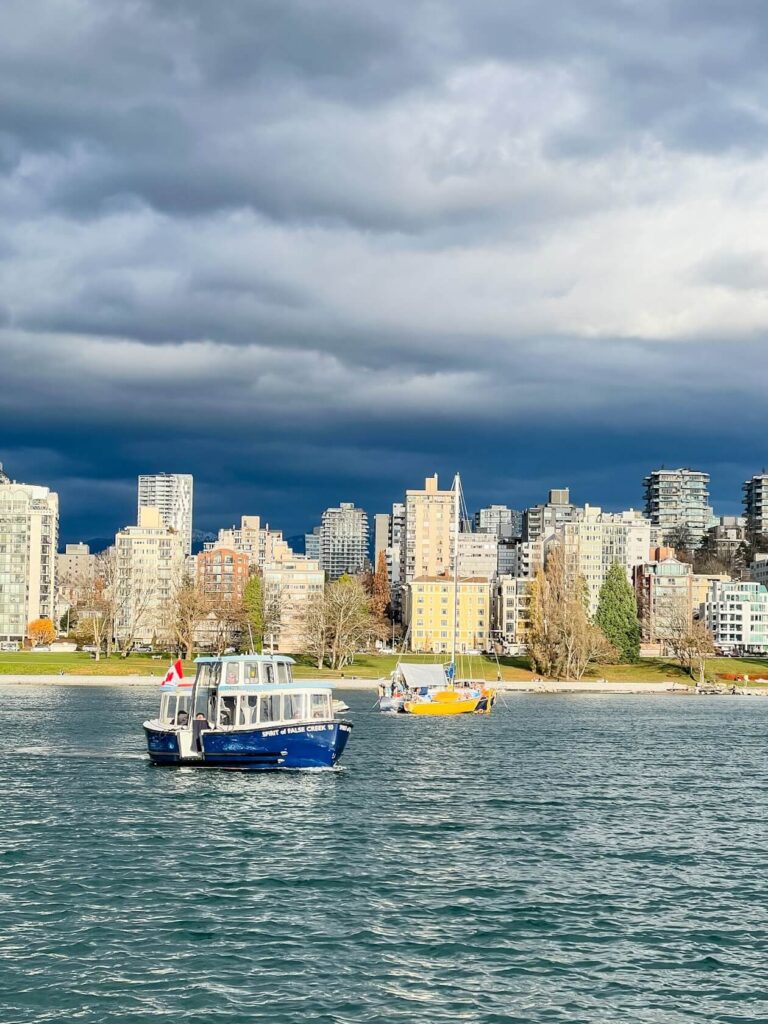
False Creek Ferry (water taxi) on the way to Kitsilano 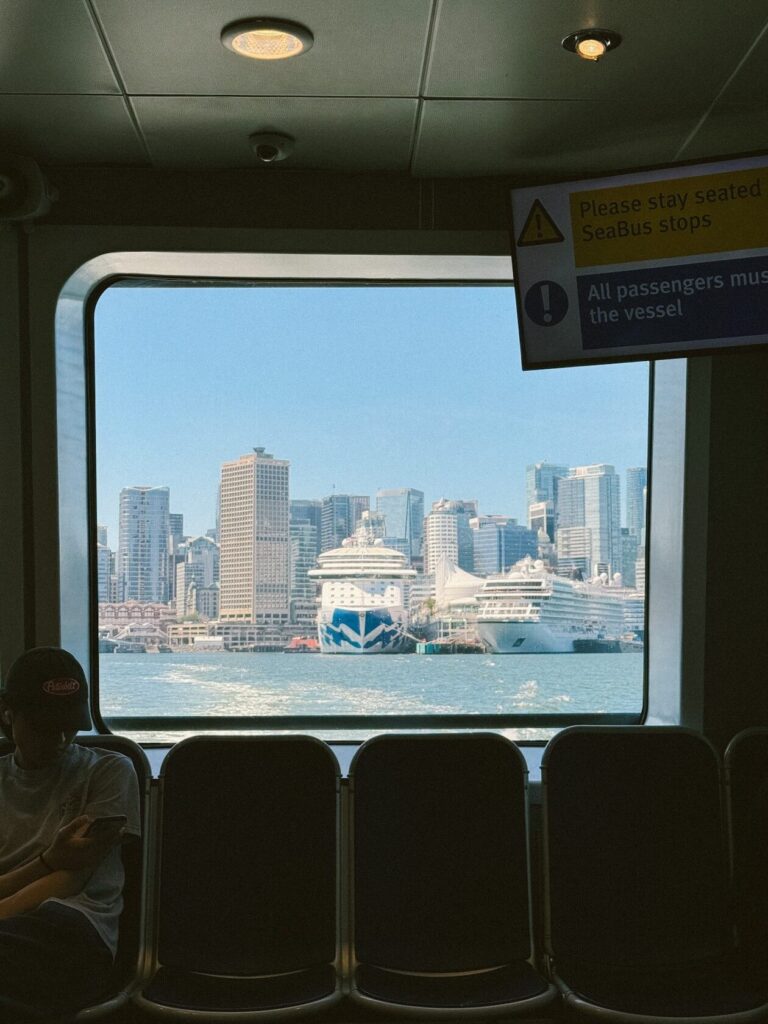
View from the SeaBus towards Vancouver’s waterfront
Vancouver Travel Tips
💰 Prices in stores and some restaurants don’t include tax. You’ll pay up to 12 percent more at checkout.
💵 When it comes to tipping, Vancouver is pretty much like the US. Most people leave 15 – 20% for food and services, but don’t worry about tipping for takeout.
📶 Vancouver has free WiFi throughout the city (find spots on the #VanWiFi map). If you need mobile data, get an Airalo eSIM before you arrive as it’s way cheaper than roaming.
⚠️ Vancouver is a safe city overall, but it’s a good idea to steer clear of the Downtown Eastside, Vancouver’s most impoverished neighbourhood near Gastown and Chinatown. It’s sketchy and might make you uncomfortable, as there’s open drug use on every corner.
🧭 If you ever lose your sense of direction, just look for the mountains between the buildings. They’re always to the north.
⛰️ The mountains are real. Don’t underestimate them and don’t believe easy ratings on Vancouver hiking blogs.
💧 The tap water is good to drink since it comes straight from the mountains 🙂
🎫 Tours and activities are easy to find on websites such as Get Your Guide and Viator.
☀️ Despite what you might have heard, it doesn’t rain all the time! Our summers, from June to September, are usually dry, sunny and the perfect time to visit Vancouver.



Great Hotels
Downtown boutique hotel with rooftop terrace and heated pool.
Vancouver’s #1 hotel (and it shows) in Coal Harbour.
Five-Star luxury hotel right on the waterfront.
Tours and Activities
A scenic flight that gives you an aerial perspective of Vancouver.
Take a gondola to the top of Grouse Mountain with views of Vancouver, visit the resident grizzly bear, meet owls and raptors, hike easy trails.
Travel along the scenic Sea to Sky Highway, ride the gondola and explore Whistler Village .